10 Essential Travel Tips Every First-Time Traveler Should Know
Planning your first trip can be exciting, but it can also feel overwhelming. From organizing your documents to choosing accommodation and planning transportation, there are many details to consider before you leave.
A little preparation can make your journey smoother and help you avoid common travel problems. Here are 10 practical travel tips every first-time traveler should know.
1. Check Your Travel Documents
Before booking your trip, check that your passport is valid for the required period and that you have any visas or travel authorizations needed for your destination.
Keep digital and physical copies of important documents such as your passport, booking confirmations, travel insurance information, and emergency contacts.
2. Research Your Destination
Learn some basic information about your destination before you travel.
Research local transportation, weather, currency, important attractions, cultural customs, and areas where you plan to stay.
You don’t need to plan every minute of your trip, but having a general understanding of the destination can make arrival much easier.
3. Create a Realistic Budget
Set a travel budget before your trip and consider more than just the cost of your flight and hotel.
Remember to include:
- Accommodation
- Transportation
- Food
- Attractions
- Tours and activities
- Travel insurance
- Shopping
- Emergency expenses
Keeping a small reserve for unexpected costs can also be useful.
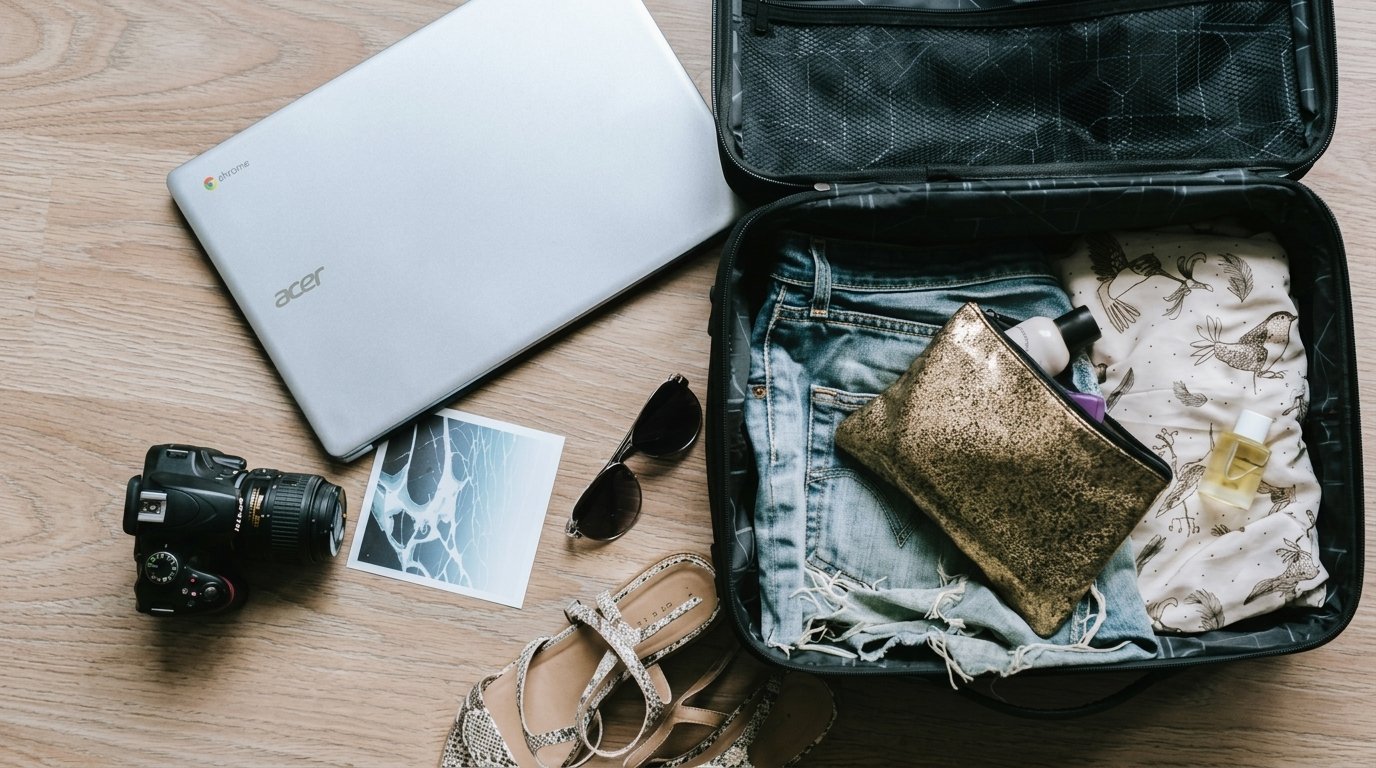
4. Don’t Overpack
One of the easiest mistakes for first-time travelers is packing too much.
Choose clothing based on the destination’s weather and the activities you plan to do. Try to pack items that can be combined into multiple outfits.
Traveling with less luggage can make airports, public transportation, and hotel changes much easier.
5. Keep Important Items Accessible
Keep your passport, identification, payment cards, medications, and other essential items somewhere secure and easily accessible.
Avoid placing all your important documents and money in one location.
A small travel wallet or secure bag can make it easier to organize essential items while you’re traveling.
6. Plan Your Airport Arrival
Give yourself enough time to reach the airport and complete check-in and security procedures.
For international flights, allow additional time because check-in, immigration, and security procedures can take longer.
Also check your airline’s baggage requirements before leaving for the airport.
7. Learn How to Get Around
Research transportation before arriving at your destination.
Depending on the location, you may have access to trains, buses, metro systems, taxis, ride-hailing services, rental cars, or airport transfers.
Knowing your transportation options in advance can make your first few hours at a new destination much less stressful.
8. Keep Your Schedule Flexible
It’s useful to have a basic itinerary, but you don’t need to schedule every moment.
Leave some free time for unexpected discoveries, rest, weather changes, or changes to your plans.
A flexible itinerary can make your trip more enjoyable and reduce unnecessary stress.
9. Respect Local Customs
Every destination has its own culture, traditions, and social expectations.
Before traveling, learn about appropriate clothing, photography rules, tipping practices, religious customs, and other local considerations.
Showing respect for local customs helps create a more positive experience for both visitors and residents.
10. Keep Emergency Information Handy
Before your trip, save important contact information on your phone and keep a written copy as a backup.
Useful information may include:
- Local emergency services
- Your accommodation
- Airline or transportation provider
- Travel insurance provider
- Embassy or consular contact
- Emergency contacts at home
Having this information available can be especially helpful if you lose your phone or encounter an unexpected problem.
A Simple Pre-Travel Checklist
Before leaving home, take a few minutes to check:
☐ Passport and required travel documents
☐ Flight or transportation bookings
☐ Accommodation confirmation
☐ Travel insurance information
☐ Payment cards and some local currency
☐ Phone and charging equipment
☐ Necessary medications
☐ Copies of important documents
☐ Airport transportation
☐ Destination weather forecast
Final Thoughts
Good travel preparation doesn’t mean planning every detail. It means taking care of the important things before you leave so you can spend more time enjoying your destination.
Check your documents, understand your budget, research transportation, pack carefully, and leave room for flexibility.
With a little preparation, your first trip can be a much smoother and more enjoyable experience.
Planning your next adventure? Explore DNC Travel Guide for destination guides, travel resources, travel deals, and booking options.